Testing before selling
Every recommendation we make starts from your own test results. If the water does not need treatment, we say so.
Hard-water fixes installed in a single day · (281) 213-0981

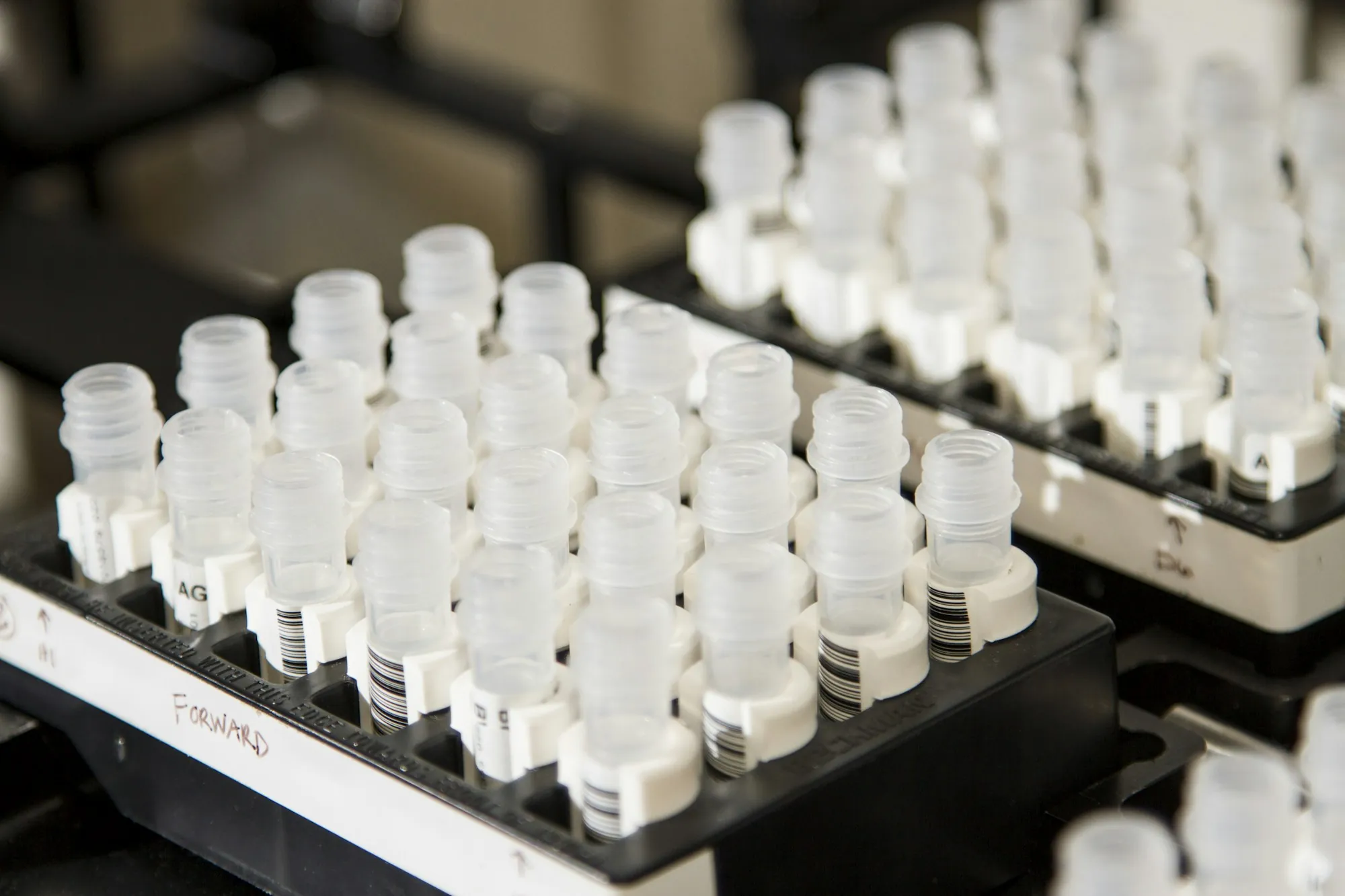
On-site water check
From homes off Williams Trace Boulevard in Sugar Land to wells in rural Fort Bend, our on-site water check gives you clear test results before any treatment is recommended.
Have you noticed spots on dishes, a chlorine smell in the shower, or a taste that changed after a move? Sugar Land's city water blends groundwater from deep wells with treated surface water, and neighborhoods served by MUDs can get water that differs street to street, so a neighbor's test results may not match yours.
Sugar Land Water Filtration offers water testing and analysis right at your kitchen sink or well tank. We check hardness, chlorine or chloramine, total dissolved solids, pH, and iron on site, go over what each number means, and point out when a certified lab sample is the better route. Pricing for the visit is given upfront when you book.
On-site testing covers the measurements that drive most treatment decisions. For health-related contaminants that need lab instruments, we tell you which test makes sense.
Measured in grains per gallon, hardness tells us whether a softener is worth it and how large it should be. In Sugar Land, most homes test hard enough to cause visible scale on fixtures and glass.
We test total chlorine and identify whether your utility disinfects with chlorine or chloramine. That matters because chloramine needs catalytic carbon rather than standard carbon to remove.
TDS is a broad measure of dissolved minerals and salts. It helps us judge whether reverse osmosis would make a noticeable difference at the kitchen tap.
Water that is too acidic can corrode copper lines, and high pH can affect how some filters perform. We check it so any recommendation accounts for it from the start.
Even modest iron levels can stain fixtures and foul softener resin. We test for it on both well and city water, since older pipes can contribute rust.
Cloudiness, color, sediment, and smells like sulfur or chlorine all tell part of the story. We note them alongside the measured test results.
Lead can come from older fixtures or solder, and accurately measuring low levels takes lab equipment. If it is a concern, we recommend a certified lab sample rather than relying on a field kit.
Coliform bacteria testing requires a sterile sample delivered to a lab within a set window. For well owners, especially after flooding or a boil-water advisory, this is the right test to request.
These contaminants are measured at very low concentrations that only lab instruments detect reliably. We recommend a certified lab when your location, your well, or a utility notice gives a reason to look.
Rural wells near farmland can pick up nitrates, which matter most for households with infants. A lab sample gives the accurate number needed to choose the right treatment.
We draw samples from the kitchen tap, an outdoor spigot, or the well's pressure tank, depending on what you want to know. You watch each test run and see the color changes and meter values yourself. The on-site portion is usually done in well under an hour.
We sit down with you and go through each measurement, what is typical for Sugar Land, and what is worth acting on. If a lab test is the better route, we tell you which one and how to collect a proper sample. There is no pressure to buy anything that day.
If treatment makes sense, you receive a written quote matched to your test results, from a single carbon filter to a full softener and RO setup. Many installs can be scheduled this week and finished in a single day. You keep the test results either way.
Every recommendation we make starts from your own test results. If the water does not need treatment, we say so.
Field tests are excellent for hardness and chlorine but not for lead, bacteria, PFAS, or arsenic. We tell you when a certified lab is the right tool instead of overstating what a kit can do.
We know how Sugar Land city water, MUD supplies, and Fort Bend wells tend to differ. That context helps you understand what your numbers mean in practice.
Before you buy a softener or filter, it pays to know what your water actually contains. Book an on-site water check and you will come away with clear test results, honest guidance on any lab testing, and a written quote only if treatment is worth it.